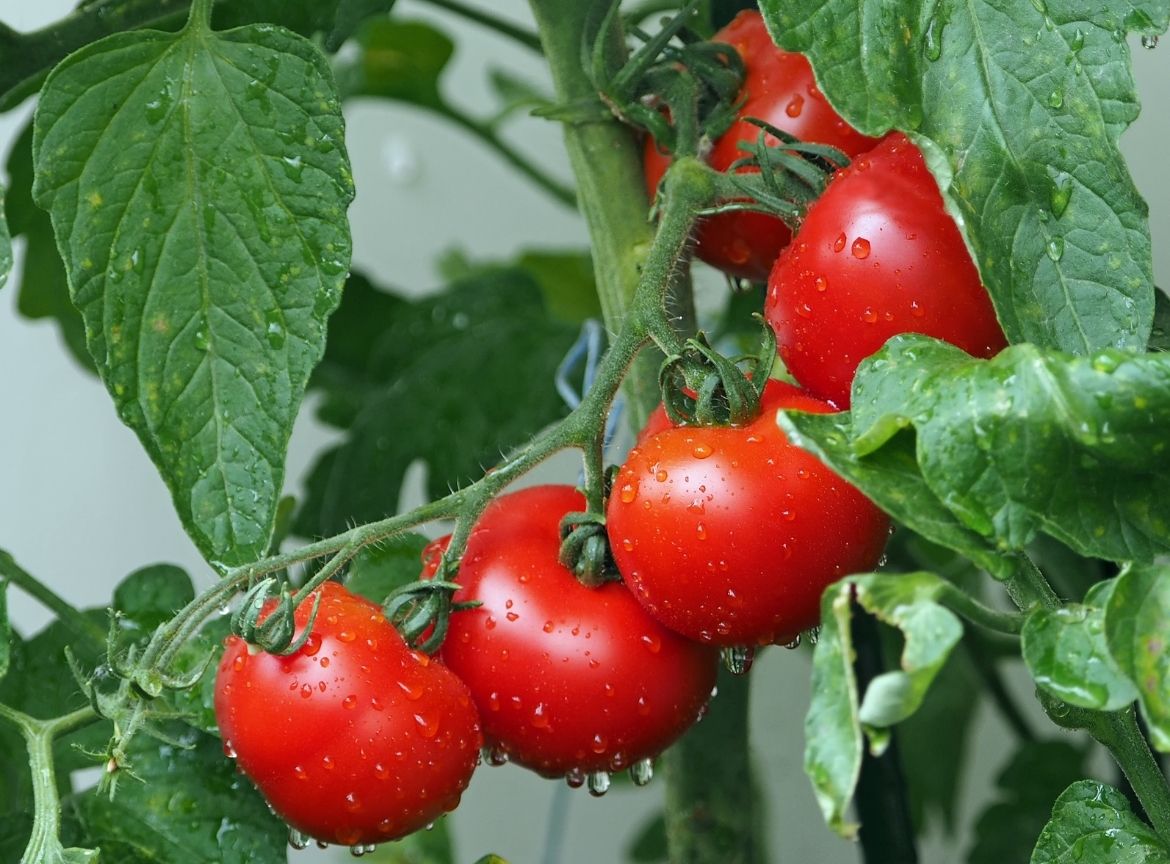
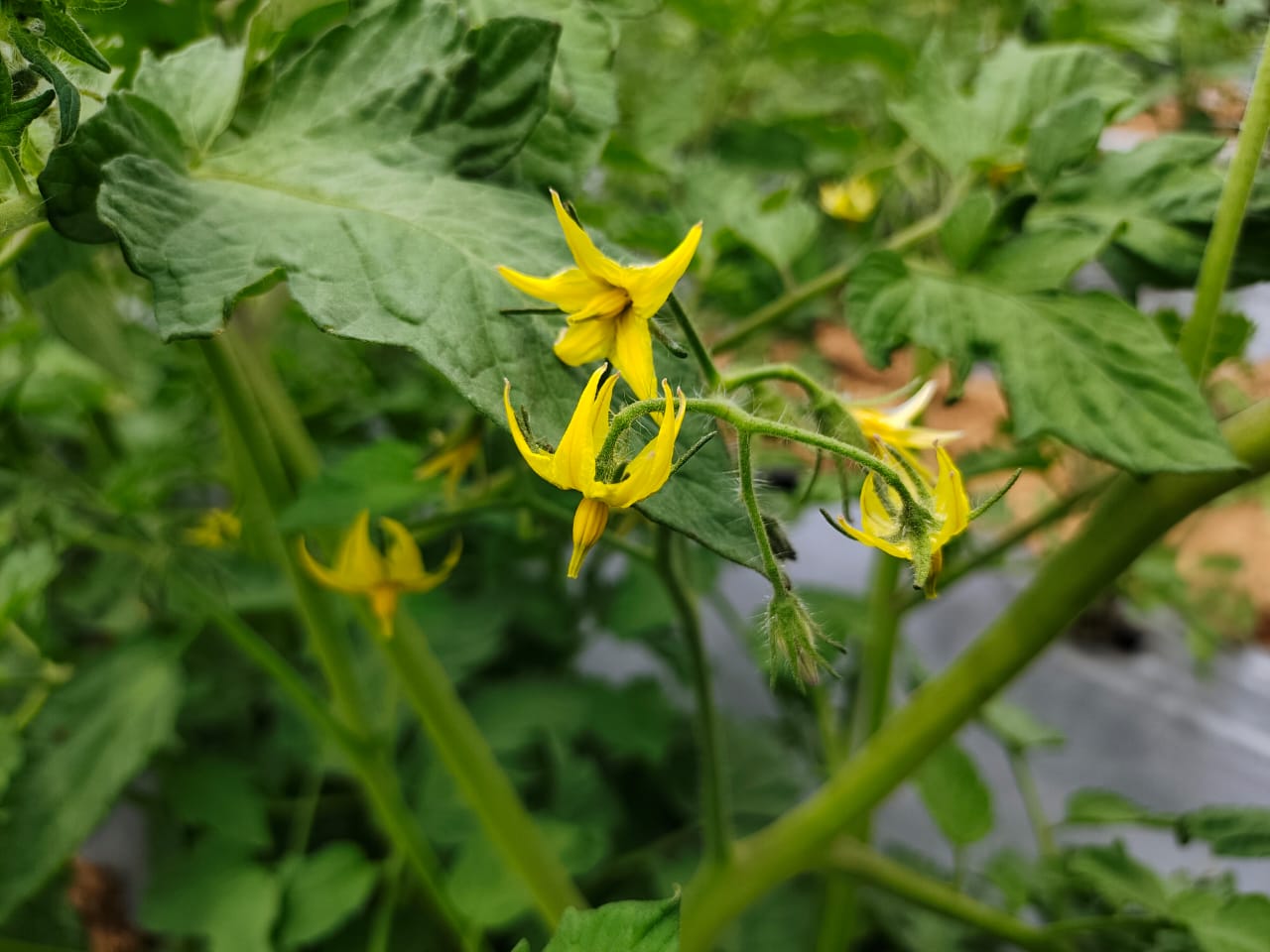
Tomatoes are more than just a staple in our kitchens. They’re one of India’s most widely cultivated and economically important crops. Rich in essential vitamins and minerals, tomatoes play a vital role in nutritional security and farmer livelihoods.
India ranks among the top tomato-producing countries in the world. But despite the high production figures, the challenges are real. Limited cultivated land, rising input costs, erratic weather, and increasing water scarcity. Also, farmers still rely on fixed schedules to water and fertilize their crops. This often leads to overwatering and wasted nutrients, which cuts into profits and harms the environment. In this context, producing more with less has never been more important.
That’s what led us to our research. We wanted to see if smart farming using IoT enabled sensor based irrigation automation combined with optimized fertilizer application could make a difference without reducing yield.
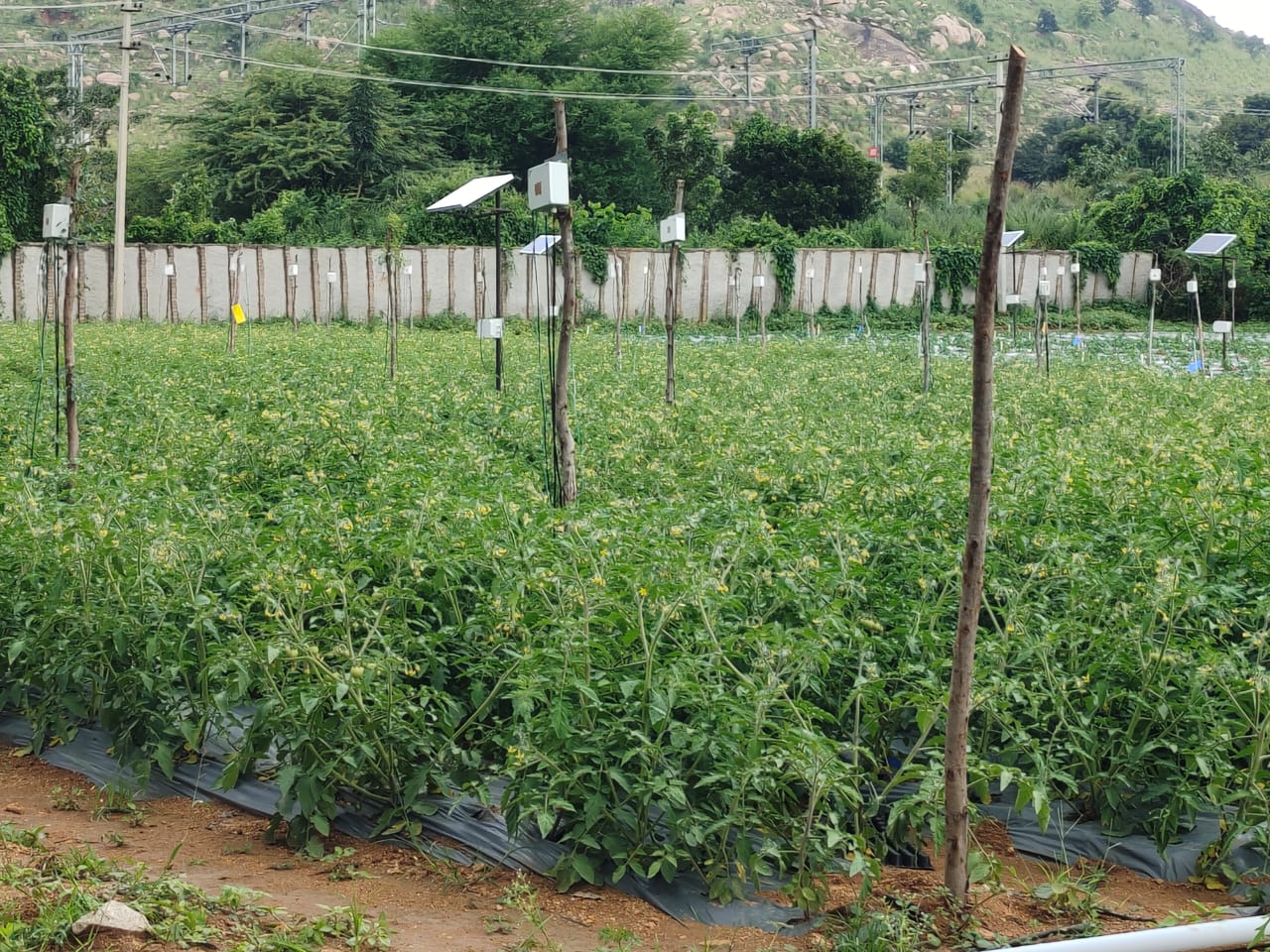
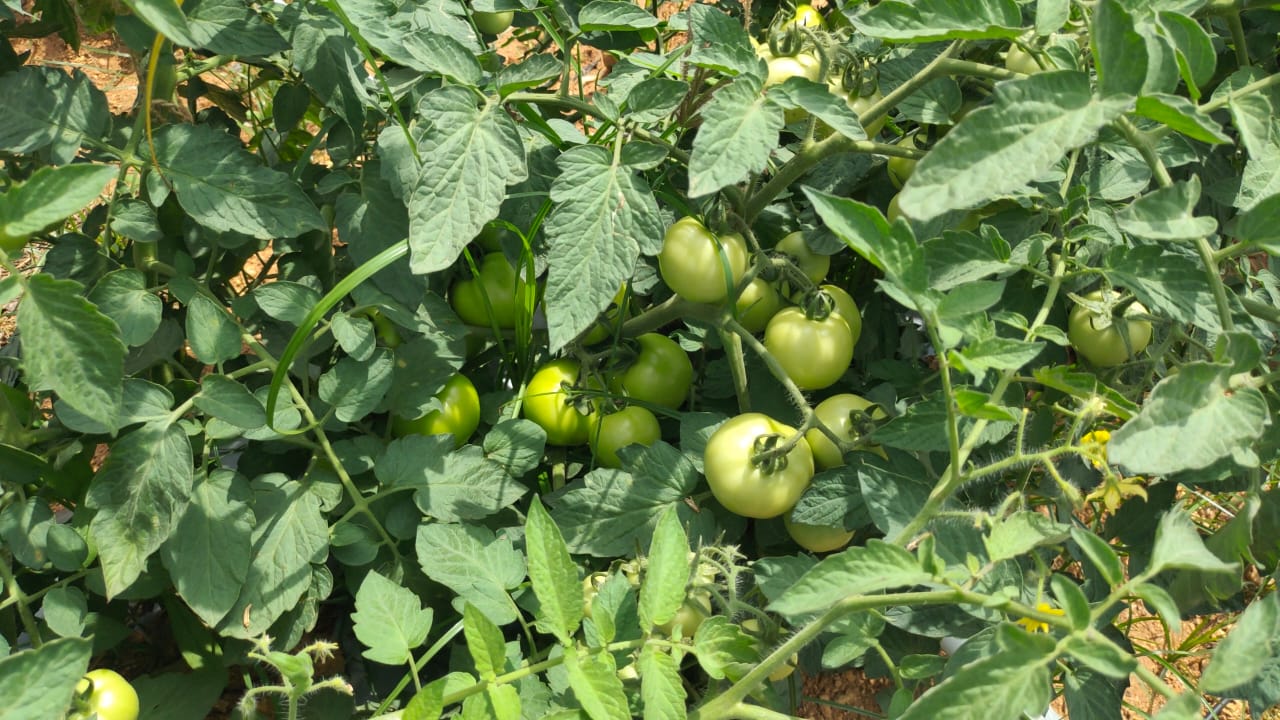
Our research was conducted during the 2022–23 season on a farm in Bengaluru North using two popular tomato varieties: Sahoo and SVTD8323.We compared traditional irrigation methods with a precision approach that used Agrayan soil moisture sensors and IoT based Irrigation automation systems, tailored to the crop’s specific needs.
In the study, Watermark Soil moisture sensors were installed at two depths—30 cm and 45 cm to monitor root-zone soil moisture levels in real time. The irrigation system was automated to trigger water only when the soil moisture crossed specific thresholds: -23 kPa during the seedling stage and -30 kPa from vegetative to maturity stages. This approach ensured plants received exactly the amount of water they needed.
For fertigation, we used three levels of the Recommended Dose of Fertilizer (RDF): a control group receiving 100% of the standard fertilizer dose recommended by ICAR-IIHR, and two precision treatments using either 100% or 75% of Agrayan’s optimized fertilizer schedule. Fertilizer was delivered through drip lines in sync with crop growth stages, improving nutrient uptake and reducing wastage.
IoT-enabled irrigation at 75% RDF minimized water wastage, reduced fertilizer leaching, and enhanced nutrient absorption, contributing to sustainable and cost-effective agricultural practice.
What Does This Mean for Tomato Farmers?
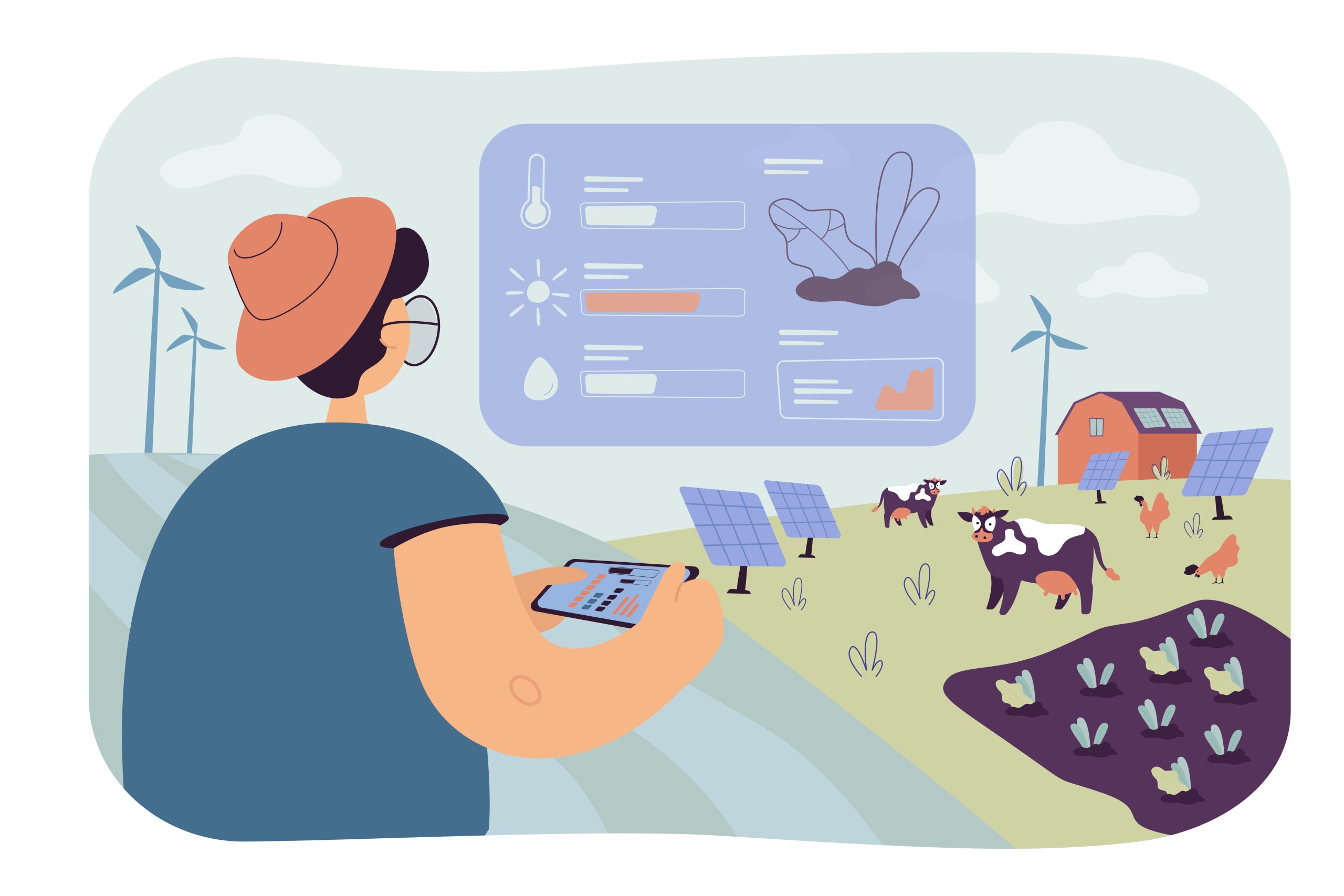
For farmers, this research shows that precision farming technology can be a game-changer. By using IoT-enabled soil moisture sensors, precision irrigation and fertigation automation systems, farmers can optimize their water and fertilizer usage, reduce costs, and increase productivity. It’s a win-win for both the environment and the farm’s bottom line!
Our study provides a scientifically validated approach to improve tomato cultivation efficiency, which can be scaled to other crops facing similar resource constraints. With the IoT Sensor based irrigation automation systems, farmers can tackle farming challenges head-on while still growing healthy, high-quality crops.
We’re excited to see how these findings will help improve crop production worldwide and are hopeful that more farmers will adopt IoT-driven solutions to create a more sustainable and profitable future for farming.
Partner with Agrayan for Smarter Farming!
At Agrayan, we're committed to transforming agriculture with cutting-edge IoT solutions. Our smart irrigation monitoring and automation systems will help you ensure optimal water and nutrient management.
Are you looking to enhance your farm’s efficiency with IoT precision farming devices? Whether you're a grower, agribusiness, or research institute, Agrayan can help you implement data-driven smart farming solutions tailored to your farming needs.