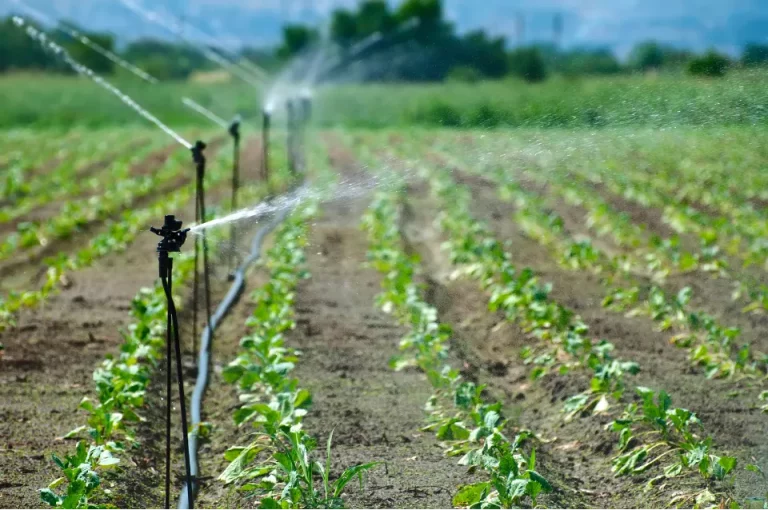
When we talk about improving irrigation efficiency, most conversations revolve around pumps, pipelines, or sensors. But in reality, the true precision of any irrigation system comes down to one critical element: irrigation valve control.
Valves decide when water flows, where it flows, and how long it flows. If your valve control is inconsistent, even the best pump and the most advanced sensors cannot deliver uniform irrigation. On the other hand, when valves are controlled intelligently, irrigation becomes predictable, measurable, and efficient.
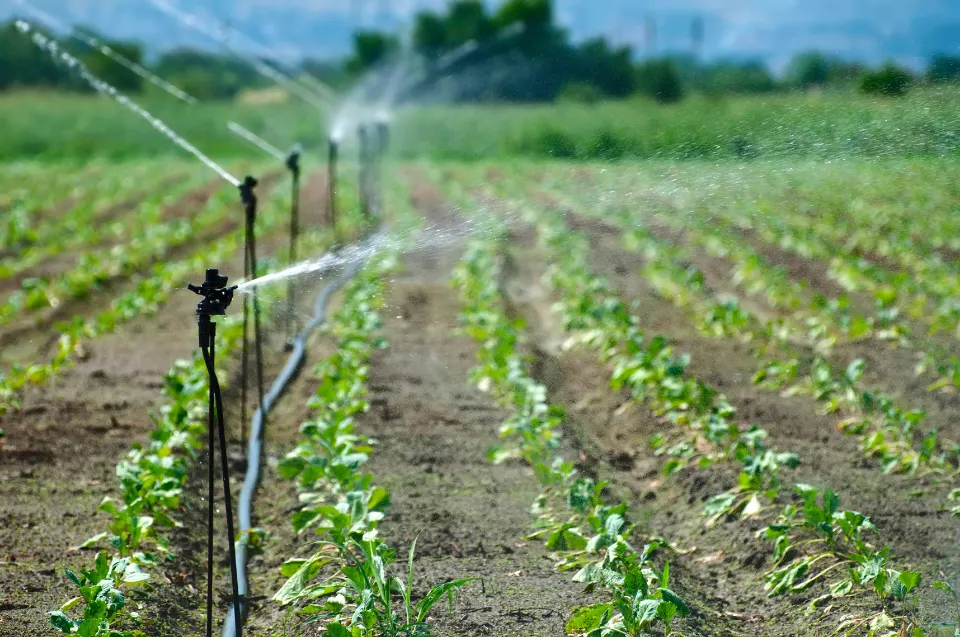
Why Irrigation Valve Control Matters
In many farms and research plots, irrigation valves are still operated manually. Someone walks to the field, opens one section, closes another, and tries to maintain a schedule. This method depends entirely on human judgment and availability. This approach may work on small areas, but as soon as you manage multiple zones, different crops, or varying soil types, manual control becomes unreliable.
Each irrigation zone has different soil conditions, crop stages, and water holding capacities. A sandy patch dries faster than a loamy one. Young plants require lighter and more frequent irrigation compared to mature crops. Without precise valve control, you are essentially treating every zone the same.
Precise valve control allows you to:
- Irrigate exactly when the crop needs it
- Avoid deep percolation losses
- Prevent waterlogging and root diseases
- Reduce labour dependency
Moving from Manual to Automated Valve Control
Automated irrigation valve control changes the way water is delivered. Instead of reacting after a problem appears, the system makes decisions based on real time data and pre set schedules.
With a smart irrigation valve control system, valves can be operated remotely through a mobile application. You can schedule irrigation for specific durations, activate multiple zones in sequence, and adjust timings instantly based on changing weather conditions.
Even more powerful is sensor based control. When soil moisture drops below a defined threshold, the system automatically opens the valve. Once the required moisture level is achieved, it shuts off. This ensures crops receive optimal water without human intervention.
For large farms, production plots, and research trials, this level of precision makes a visible difference. Uniform irrigation translates into uniform crop growth, which directly impacts yield and quality.
This is where integrated systems like the Agrayan Irrigation Automation Solution make a difference. Rather than treating valve control as a standalone function, the system connects valves with soil moisture sensors, weather data, and pump controllers.
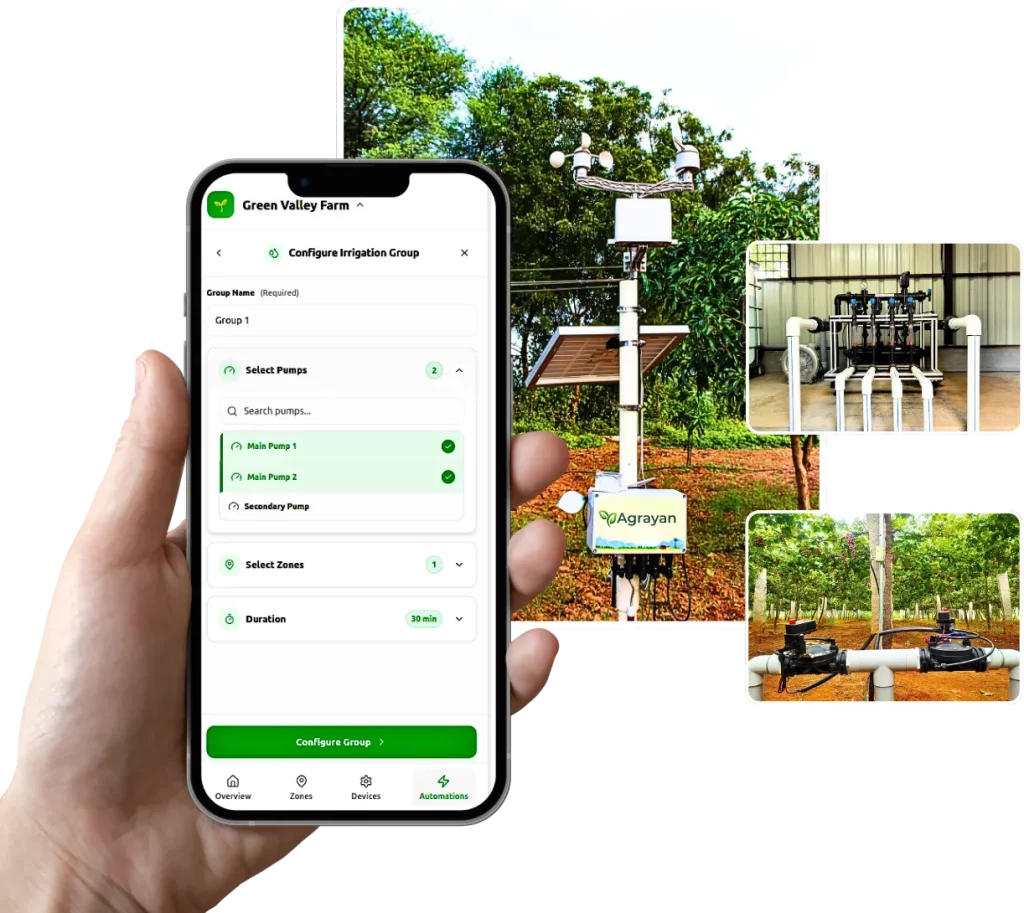
Valve control works best when integrated into a broader irrigation automation framework. Instead of operating valves in isolation, the entire system works together. Soil moisture sensors, weather monitoring units, and smart pump controllers communicate with each other.
This integrated approach ensures that:
- Irrigation Pumps do not run dry
- Valves open only when adequate pressure is available
- Irrigation adapted to crop needs
- Nutrient Management cycles are accurately timed
By combining valve automation with soil and weather intelligence, farms move from reactive irrigation to proactive water management.
Building a Scalable Irrigation System
As farms grow, complexity increases. Adding new blocks or crops should not require rebuilding the entire irrigation infrastructure.
A well designed irrigation valve control system allows easy expansion. Additional valves and zones can be integrated into the existing automation framework without disrupting current operations.
That is the direction modern irrigation is heading. Data informed, zone specific, remotely controlled systems that reduce uncertainty and improve outcomes.
In the end, irrigation valve control is not just about turning water on and off. It is about delivering the right amount of water, at the right time, to the right place. When that happens consistently, crop performance follows.